
Saturday evening our local family came over simply to play board games and share supper. We’ve rarely done this; our times together usually center around a holiday or birthday when there’s so much going on and Grands running around, we barely have time to sit and just visit. I hope this was the first of more to come because we had fun and lots of laughs … many of those at my expense.
We played Herd Mentality which is a great game. The object is to answer a question/prompt with how you think everyone else is going to answer. The more often you match ‘the herd’, the more points you get. One prompt was something like, which invention would you rather have: driverless car, robot butler, or jetpack. Of course the answer was jetpack! My sons didn’t agree. Apparently, we don’t belong to the same herd.
One thought driverless car so he could take care of other things while the car did the driving. It was reassuring he wasn’t doing that now when he is actually driving. My other son, the one I was sure would gravitate toward the jetpack–he’s the science/computer guy–went for the robot butler. Not sure I heard his reasoning because the two were already having a field day with the image of their mom zipping through the heavens wearing her jetpack … or rather tumbling from the heavens wearing it. Why would you want/need, where would you go with a jetpack?! Wouldn’t it be awesome to see things from above without the restriction of looking through a small airplane window? To feel the freedom and glide of a bird? To arrive at a destination without car traffic, driverless or not? Hubby chose the jetpack too. Can only one or two be considered a herd?
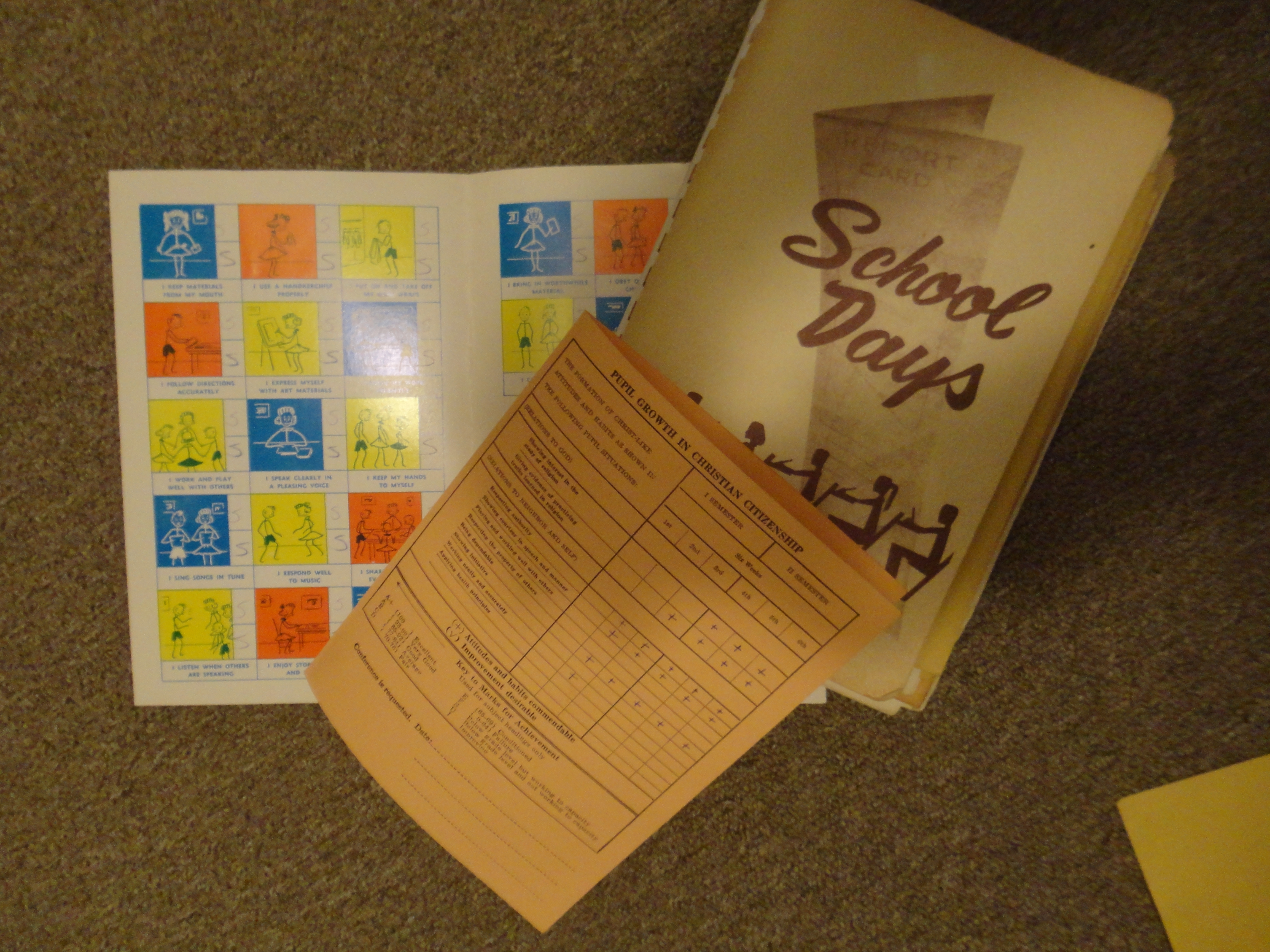
Herd mentality seemed to be a theme this week. During Rowdy Readers we discussed The Book of Joy and some of the principles the Dalai Lama and the Archbishop laid out, specifically “…we all human being.” and what that requires of us. We remembered how in elementary school we were graded–or at least given ‘S’ for satisfactory and ‘N’ for needs improvement–in conduct and something akin to citizenship. Citizenship wasn’t history or social studies, it was building on the lessons of respect, compassion, selflessness, etc. that we first learned at home; it was strengthening character traits that made one a good citizen, a good member of the herd. I’m not so naïve to believe all methods of achieving this were ideal, but can we agree the traits themselves are?

This week I also started reading a fairy tale, a well-known story you might not think of as such. (It’s my book review for next week so no spoilers today.) Referencing Grimms’ and Anderson’s tales, I found the author’s introduction interesting. It reads in part: “…for the time has come for a series of newer ‘wonder tales’ in which the stereotyped genie, dwarf and fairy are eliminated, together with all the horrible and blood-curdling incidents devised by their authors to point a fearsome moral to each tale. Modern education includes morality; therefore, the modern child seeks only entertainment in its wonder tales and gladly dispenses with all disagreeable incidents.”
Then yesterday’s morning meditation with Fr. Richard Rohr centered on the hero’s journey, how Odysseus must travel through the scary stuff, but equally important is his return. The hero doesn’t stay away, he returns home–to his herd–changed. I’ve read several of the tales in the above books but I’ve hesitated reading them to my Grands because some are a bit gruesome. I don’t want my little guys having nightmares, yet through the Grimms’ retelling of these ancient folktales, some end happily ever after. The hero triumphs.
I sometimes wonder if we’ve done our children a disservice by not reading them some of these scarier fairy tales with imaginary ogres, giants and fairies, involving such fantastical elements kids know they aren’t real; adventures where they don’t have to be the heroes yet, but can hear how a hero behaves. They see the character traits of compassion, honesty, courage, perseverance, etc. that will help them when real life gets scary or hard. I understand the world today is different than the one I grew up in, but when we have elementary, middle, high school and college students unable to cope, what’s amiss with our society’s herd mentality?
In The Book of Joy, the Dalai Lama shared how over the years he’s had conversations with various world leaders, thinkers, educators, health-care professionals, etc. and all agreed great progress has been made toward a better, kinder world, but we’re not perfect yet. It’s their contention “… the only way to truly change our world is through compassion. Our society is lacking an adequate sense of compassion, sense of kindness, and genuine regard for others’ well-being.” Coming from different vantage points, both His Holiness and the Archbishop believe educating our youth that neither wealth, technology, nor power is the source of happiness, but happiness comes from within. As the Dalai Lama states, “… our basic human nature is good, is positive, so that can give us a basis for courage and self-confidence.”
Both men also agree the change takes time. Maybe that means it can start with a herd of one or two. Over the last couple months my one son read The Hobbit to his soon-to-be six-year-old. I was curious how he handled the sometimes-dark adventure. He loved it. My other six-year-old and eight-year-old Grands recently made their first visit to Narnia and met Aslan, Mr. Tumnus and all the rest. Our children can handle the scary stuff as long as they’re surrounded by a healthy herd.
Another tenet of the road to joy is humor and the ability to laugh at ourselves. Which is good because even with all the ribbing from my boys, given the choice again, I’d still take the jetpack.
I hope you have a great week, and kindness finds you wherever you are.
 A Writer's Window