Another look at collections of shorter works this month. At the moment, getting lost in a really good novel would be frustrating and fruitless; frustrating because I don’t have the blocks of time to sink into one like I want to, and fruitless because I’d have to go back and reread passages to refresh what I’d forgotten since the last time I stole a few minutes of reading. The blessing of short pieces eliminates those worries.
I love short stories and essays because the author packs a great narrative into a tiny packet. I can sometimes read one while I’m working on supper, stealing pages between waiting for the oven to heat or a pot of water to boil. I can often finish a piece even if all I have is a 20-30 minute window. The story lingers long after, but I can move on knowing I’ve at least gotten the full story. Also, short stories often have the most delightful, quirky characters. And some, like Annie Dillard’s Pilgrim at Tinker Creek, are read at night after the computer is shut down for the day and my mind needs the quiet before I sleep.
Some of these are older collections that either I’ve not read or I’m rereading.
In this batch are the short stories. Unintentionally, these are also all by Southern writers.
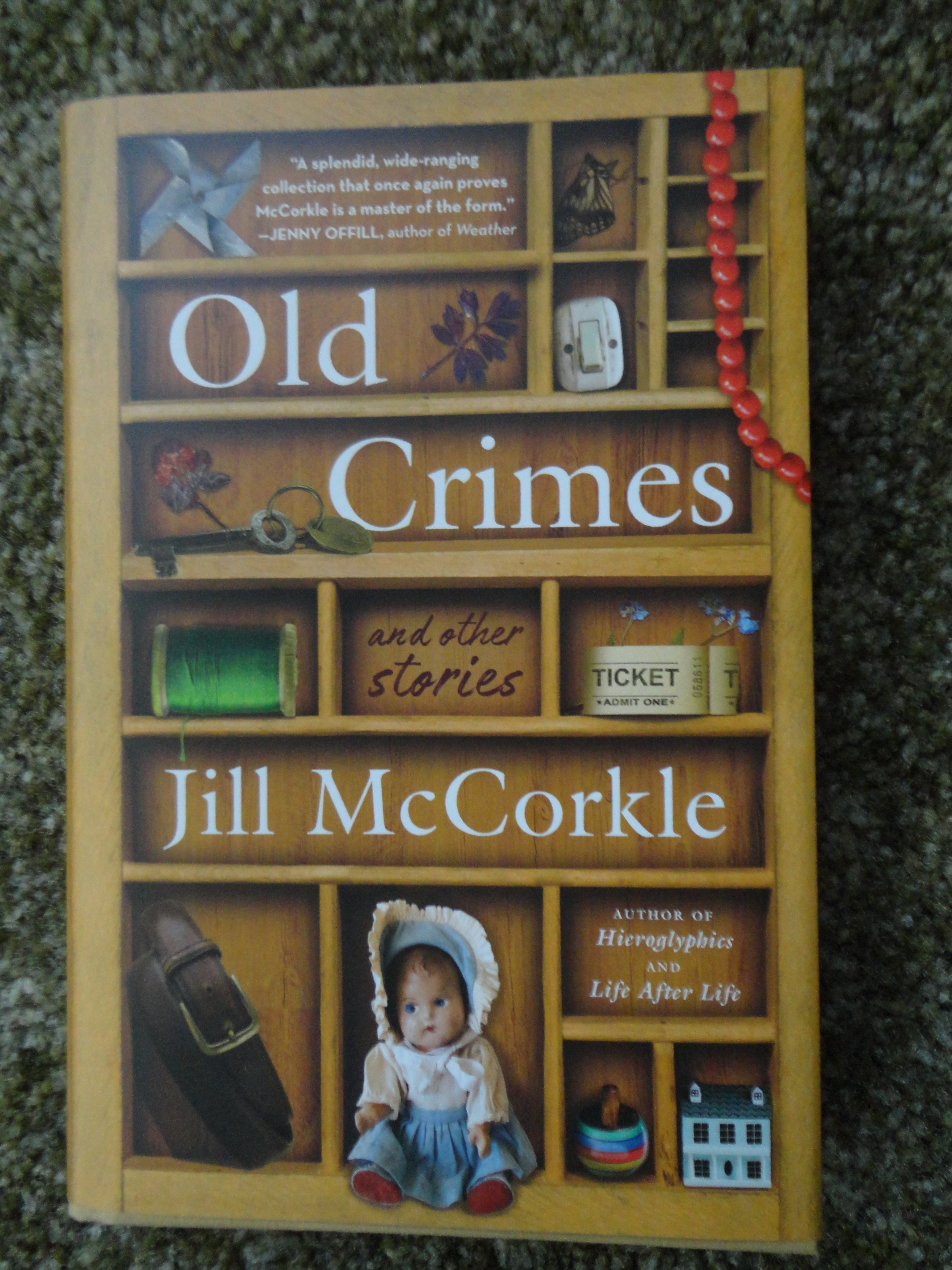


Old Crimes by Jill McCorkle: …delves into the lives of characters who hold their secrets and misdeeds close, even as the past continues to reverberate across generations. I’m enjoying McCorkle’s book in anticipation of being in her class at Table Rock this year.
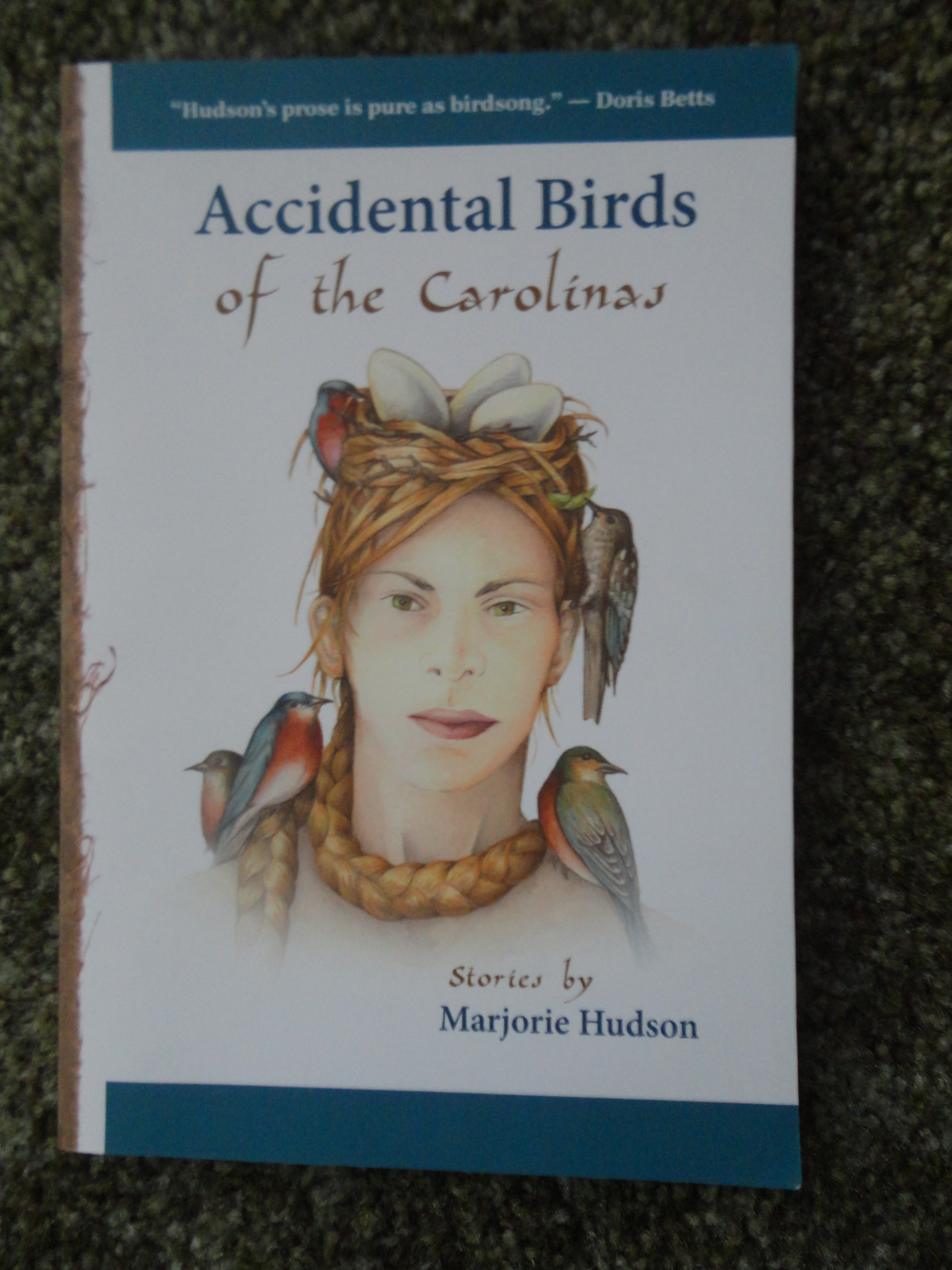
Accidental Birds of the Carolinas by Marjorie Hudson: Like birds blown off course in a great storm, landing in unfamiliar country, the characters in these stories need a place to roost, somewhere to settle long enough to learn the secrets of their own hearts. I have to admit, the cover is why I initially bought the book, but the stories inside made me glad I did. One of the Accidental Birds is from Ohio.
Stories from the Blue Moon Café by thirty Southern writers. This is the collection edited by Sonny Brewer, author of The Poet of Tolstoy Park. Brewer explains the birth of this anthology rather like this. As an annual writing event involving numerous Southern writers was winding down, Brewer “… interrupted a question to one of our authors from someone in the full-house audience, a cozy hundred-or-so souls. Just butted right in with, Hey! Let’s do a chapbook …” Less than a year later, they had a 351-page collection–not a chapbook! The stories don’t connect, but give a delicious taste of the smorgasbord of contemporary Southern writers.
moonShine review comes out twice a year by moonShine review press, the same press that publishes Kakalak. moonShine review is more than a journal of creative prose and photography. It is about what speaks to you in the moonlight and the shadows cast in mind and memory. For only in the darkness can we expose all of ourselves.
I’ve grouped the essays into two categories–the more personal, anecdotal writings, and the more nature-centered, spiritual writings. You can probably guess which is which. The descriptions are from the books’ covers or jackets. My comments follow.
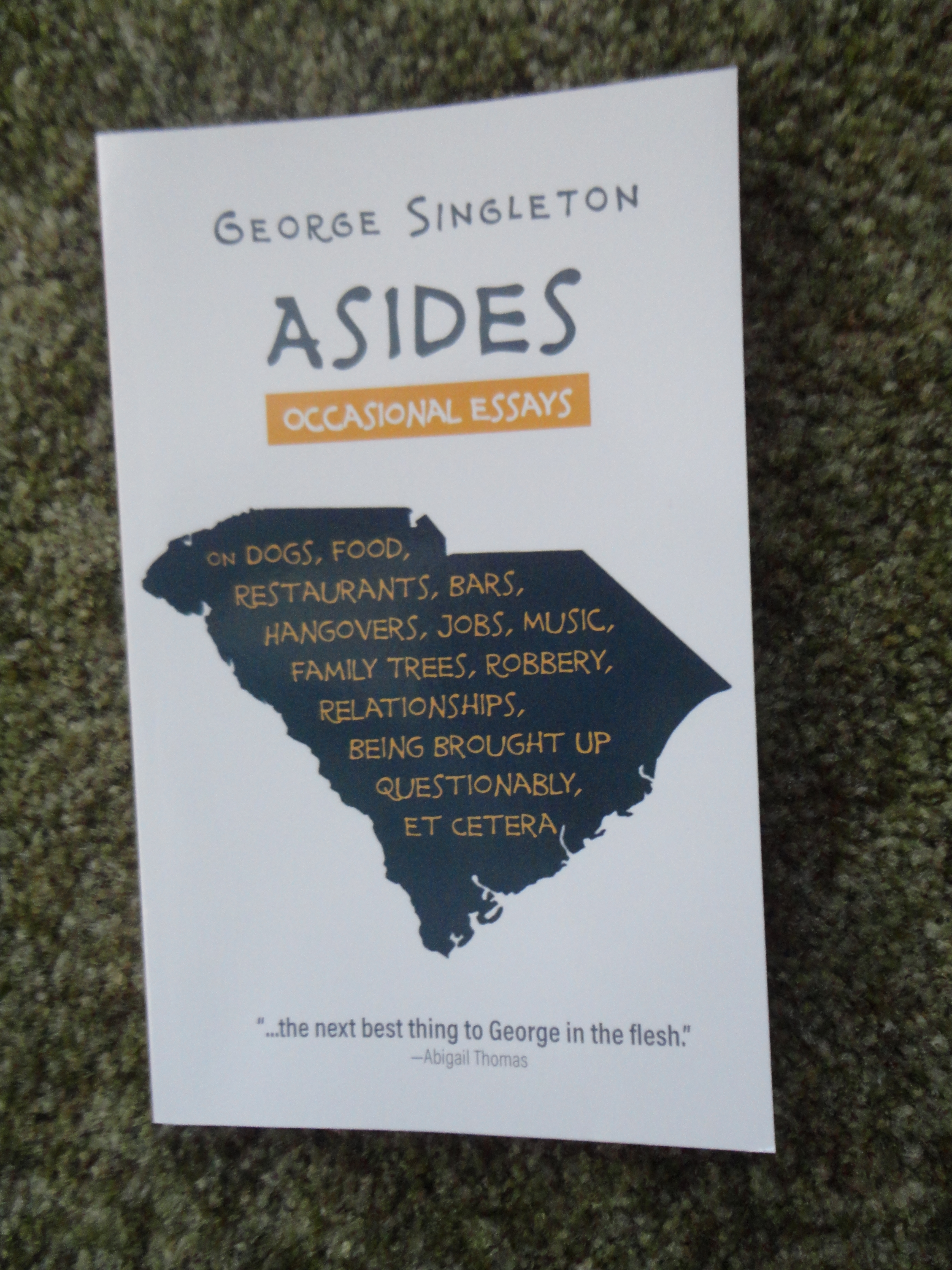

Asides by George Singleton: In this collection of fascinating and curious essays, George Singleton explains how he came to be a writer (he blames barbecue), why he still writes his first draft by hand (someone stole his typewriter), and what motivated him to run marathons (his father gave him a beer). Reading Singleton’s work, I feel like I’m sitting on the porch in a rocker, listening to a local storyteller spin yarns.
How Y’all Doing? By Leslie Jordan Bursting with color and life, dripping with his puckish Southern charm, How Y’all Doing? Is Leslie doing what Leslie does best: telling stories that make us laugh and lift our spirits even in the darkest days. I hear Jordan’s joy and exuberance when I read his stories. A wonderful soul.
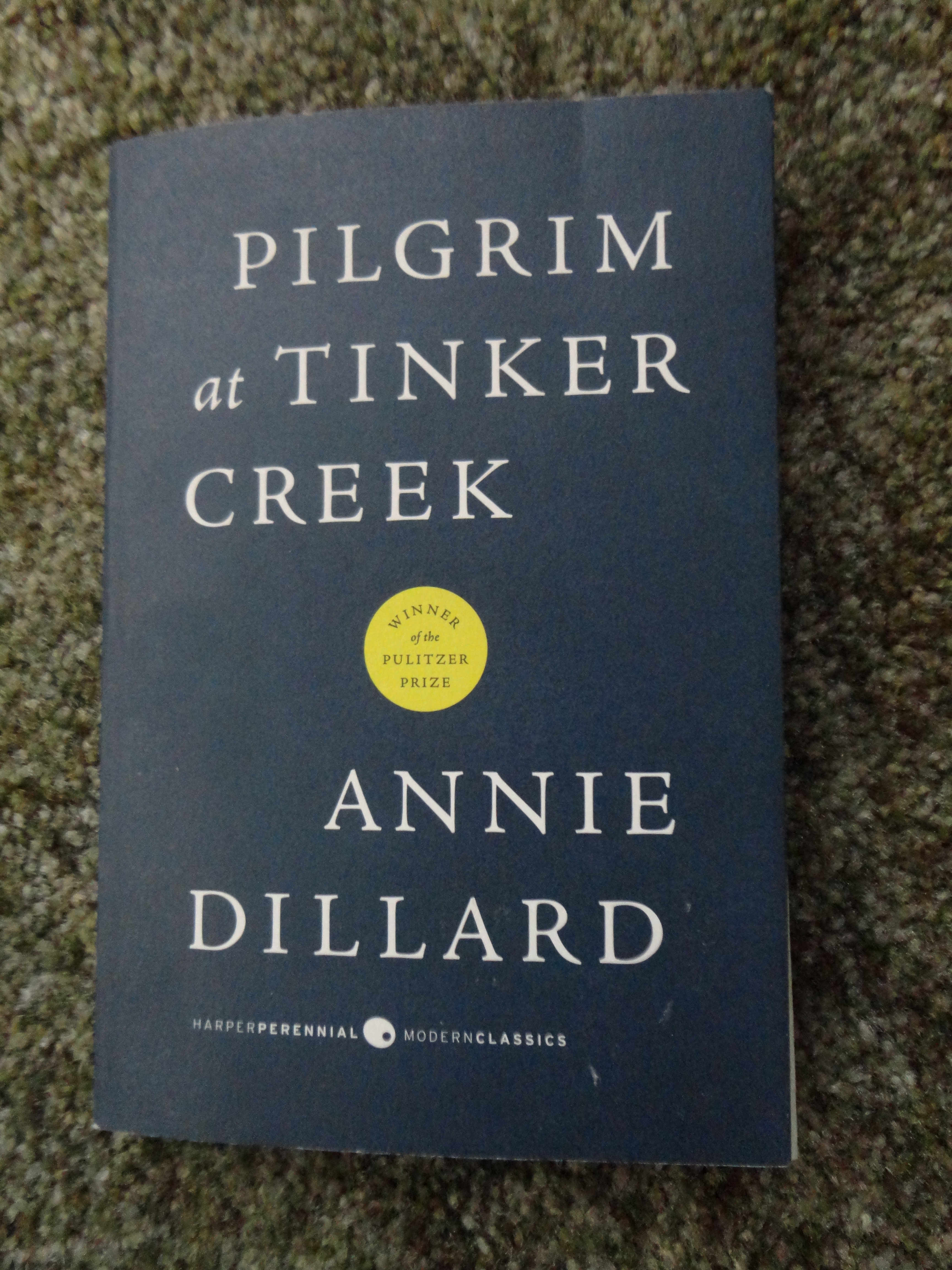
Pilgrim at Tinker Creek by Annie Dillard is the story of a dramatic year in Virginia’s Roanoke Valley. Her personal narrative highlights one year’s exploration on foot in the Virginia region through which Tinker Creek runs …The result is an exhilarating tale of nature and its seasons. I read this at night, sinking into Dillard’s beautiful prose and descriptions. I want to see and write about my little plot of land like she saw and wrote about hers.
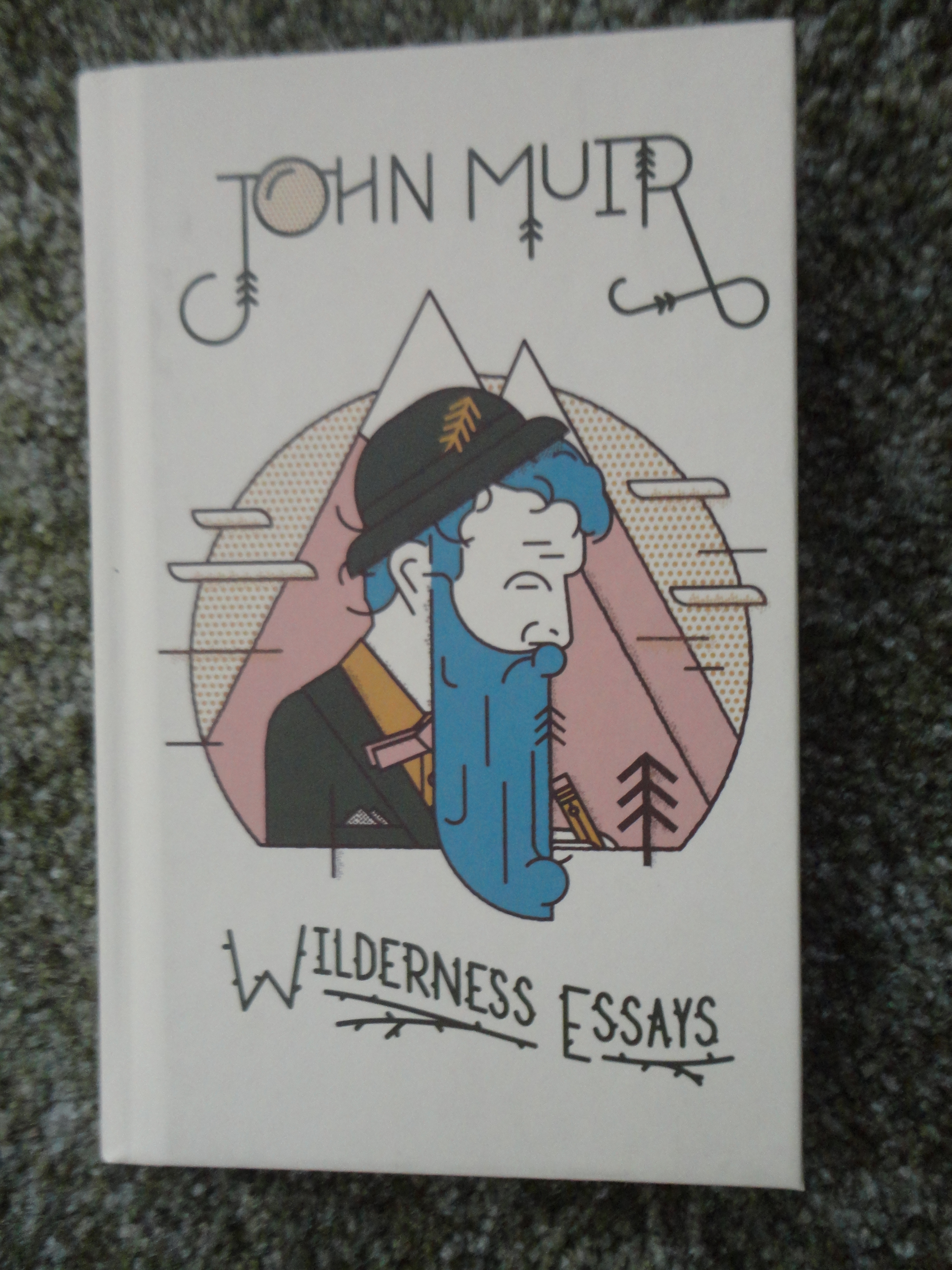
John Muir – Wilderness Essays The essays in this collection cover Alaska, Yosemite, Yellowstone, Oregon and other points out west. I’ve not read yet, but having been in Alaska and Oregon, I’m curious about our different experiences.
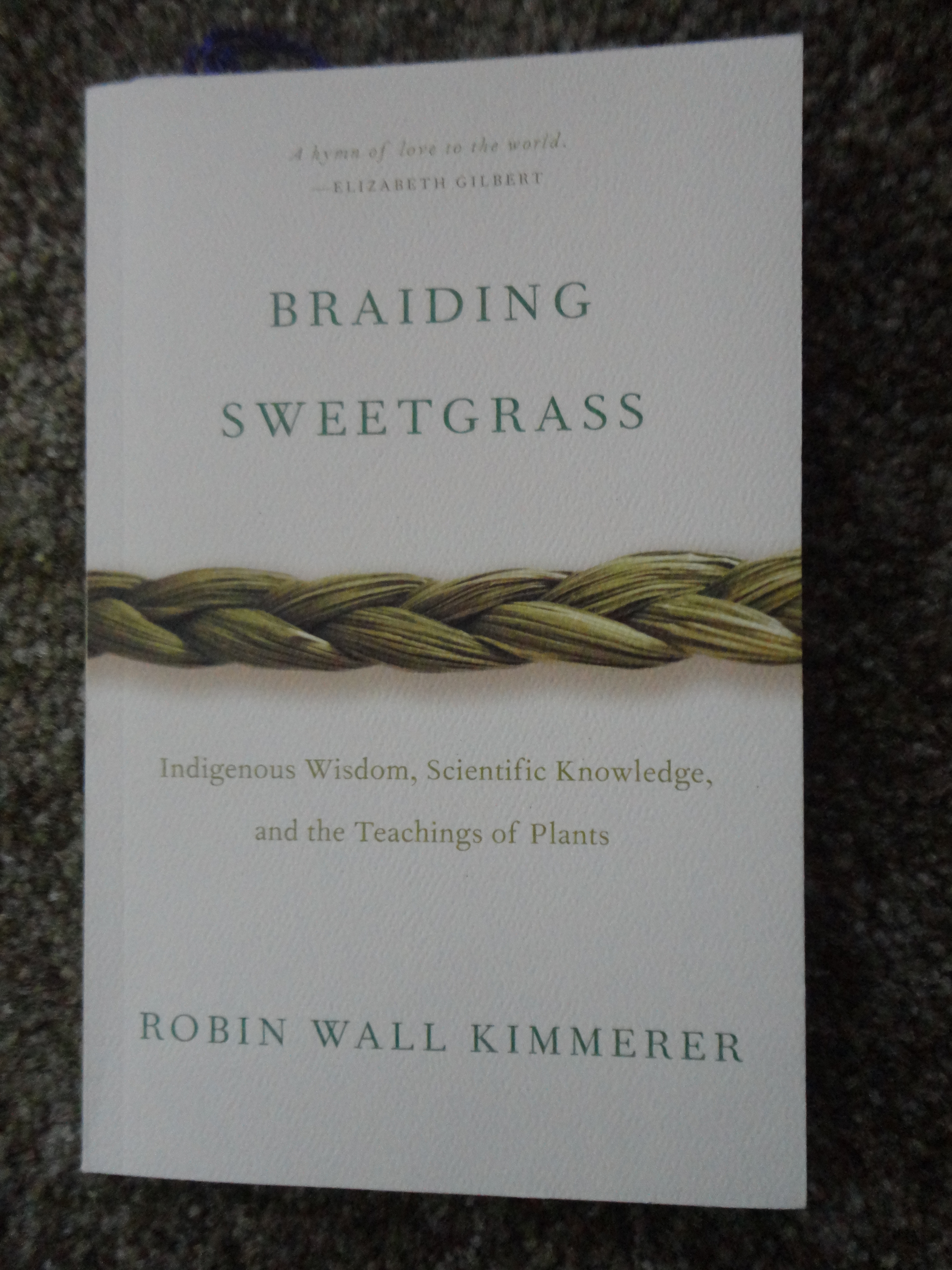
Braiding Sweetgrass: Indigenous Wisdom, Scientific Knowledge, and the Teaching of Plants by Robin Wall Kimmerer. Kimmerer embraces the notion that plants and animals are our oldest teachers. She brings these lenses of knowledge together to show the awakening of a wider ecological consciousness requires the acknowledgment and celebration of our reciprocal relationship with the rest of the living world. With each essay I’m drawn closer to the dirt. In a good way.
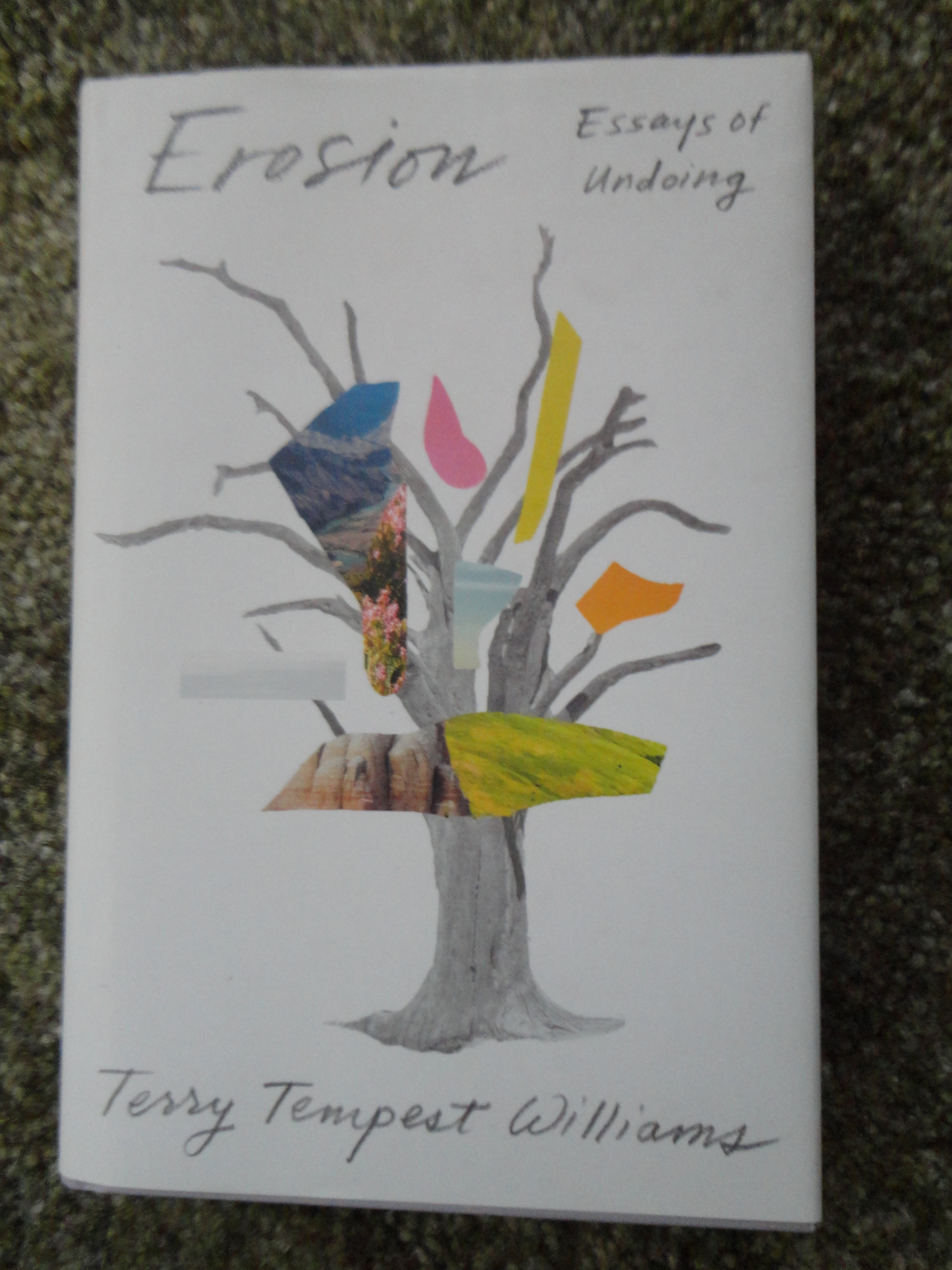
Erosion: Essays of Undoing by Terry Tempest Williams, are a howl in the desert. She sizes up the continuing assaults on America’s public lands and the erosion of our commitment to the open space of democracy. … Williams bravely and brilliantly explores the many forms of erosion we face: of democracy, science, compassion, and trust. … She reminds us that beauty is its own form of resistance, and that water can crack stone. I read this as almost a companion to Braiding Sweetgrass.
There are so many more I could’ve added! I hope you have a wonderful week, whatever you’re reading. Let me know so I can add to my ‘To be Read’ list. Next week begins National Poetry Month and there’s so much going on. I can’t wait to share. This week is Holy Week. May it be a blessed one.
 A Writer's Window