
Last week I shared that my family had experienced three deaths in a matter of just a few days, and I’d intended to write about that experience, but a pantry visitor disrupted my plans and provided a different post. At the end of that piece, I let you know my family was fine – we’re still adjusting – and there were three different kinds of deaths. Today is the post I’d intended to write a week ago.
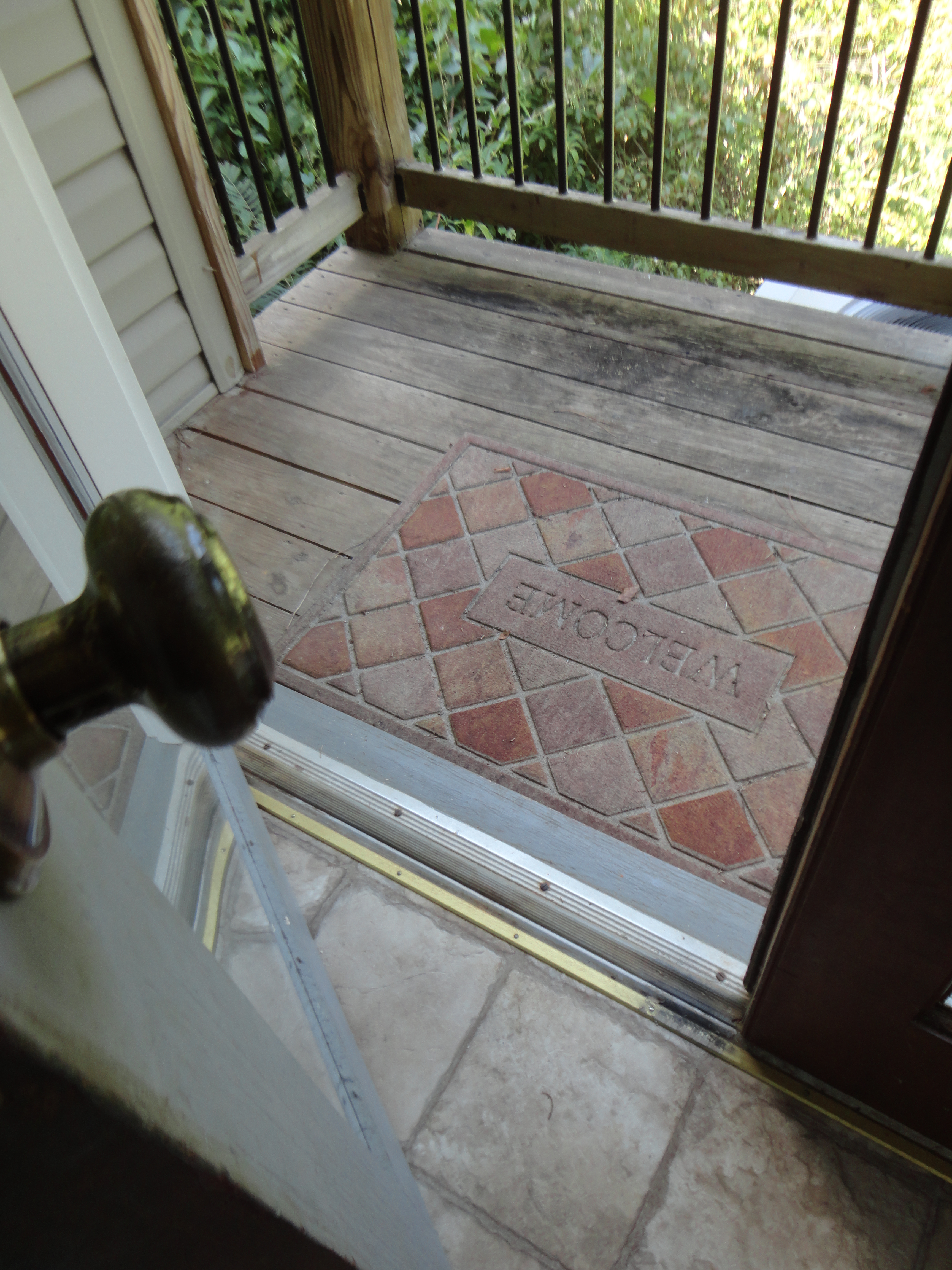
Liminal space is defined as where we’re betwixt and between, having left one room or stage of life and not yet entered the next. A threshold is often used as a symbol.
But I most often think of liminal space as that moment a trapeze artist lets go of one hand and hasn’t yet grasped the hand of another. He’s suspended in midflight. I prefer that image most times because it carries with it the anticipation, fear, disconnection, and ultimately trust between letting go and reaching for. I can feel that space in my bones more so in that image than in the image of the threshold. In our three deaths I experienced both.
The first death was my Aunt Ann. I’m sure my cousins and their families felt this liminal space more acutely than I did as she briefly said her long good-bye. Aunt Ann was in her eighties, had lived a joyful life – I always think of her with a smile on her face – and in the last year been moved to a memory care unit. So, while sad, her death was somewhat anticipated, we nieces and nephews waiting for the call or text. Gracefully she crossed her threshold peacefully.
Ann was the last remaining aunt, and that’s where her death affects me most. My siblings, cousins, and I are now the old generation. And that just feels weird. One of my favorite theologians, Fr. Richard Rohr, defines liminal space as “… always an experience of displacement in the hope of a new point of view. No wonder Jesus called it turning around.” Displacement is probably a better word than weird for describing a bit of what I’m feeling.
I remember several of my parents’ aunts and uncles. They seemed old, solid, but with great senses of humor and holding a wealth of family history. I wonder if my sister’s Grands look at me as old and solid; I know I’m lax in keeping up with family archives. I don’t know if I’m ready or worthy to take my place in the Old Generation.
My brother-in-law was the second, dying less than forty-two hours after my aunt. We were in the car when we received the news of John’s death via two words on Hubby’s Smartwatch – He’s gone. I thought Hubby was going to cause a wreck.
John was one of the kindest, gentlest men you’d want to meet. He immediately embraced me and my three children when we married into the family. When we’d get together, before he’d tell us how things were going with him, he’d have to know how things were going with each of our kids and our Grands. He sincerely wanted to know and hung onto our every word while we brought him up to date.
John had been sick for the past several months, moving back and forth between a room in the hospital and a room in a rehab facility, but never a room back home. Yet, between every set-back there were moments of rebounding and the glimmer of hope. Literally the day before in a flurry of texts between Hubby and his five brothers, things were looking up. Then they weren’t.
We’d been on our way to dinner when word of John came, and just the night before had received details of my aunt’s services. Over salmon and chicken, we tried to figure out if and how we could manage a trip to Ohio for two funerals, but we already knew a third death was imminent and this one was different and the most heartbreaking. It was the death of a marriage between two people we love deeply, and we’d need to be home.
For the past year we’ve lived in that trapeze space of holding our breath, hoping and praying for a different outcome, but it wasn’t meant to be. We’ve come to the other side and while the ground isn’t quite solid yet, we’re working on that new point of view.
I’ve recognized more fully over the last couple weeks that we’re maybe always in a sort of liminal space. While we may feel as if we’ve arrived, we’re at the same time moving toward or through that next threshold. It’s not a bad thing! Water that doesn’t move gets stagnant. I imagine the same holds true for us humans. Another of Fr. Richard Rohr’s quotes about liminal space is, “Liminal Space is a unique spiritual position where humans hate to be, but where the Biblical God is always leading.” I trust in that.
Yesterday I read an essay during Afternoon of Poetry and Prose, a local monthly reading and open mic, that had everyone giggling. More than one person came up afterward with a look of surprise and said something to the effect, ‘That was funny. I’m not used to that from you.’ After the angst of a mouse in my pantry and grief over three deaths, next week I’ll post something lighter. Until then, I hope you have a good week!
 A Writer's Window
Beautiful essay, full of grace.
Thank you, Mary Alice. High praise.
Thanks, Kim, I have a better understanding now of “Liminal Space.”
At the present time, one of my little ladies (members of the Sunday school class I teach), age 90, is facing that threshold. She received the diagnosis along with her two daughters a couple of weeks ago. Her name is also “Ann.”
I saw her Saturday, and she seemed in good spirits, surrounded by family and friends. I know it is coming–but the tears are flowing. She reminds me so much of my own precious stepmother before she passed away. We are praying she will remain pain-free, and have peace about this transition.
Sorry, I missed the Prose reading. I plan to order Carla’s book. I have read all of her work and have loved every single one!
Hi Martha, I’m so sorry to hear about your friend Ann. I’ve heard it’s harder for the loved ones than the one with the disease. We see them fading, but they have no recollection, and in some ways that’s a blessing for them. I pray too she has a peaceful and painless transition. I actually love the concept and idea of liminal space. I first read about it through Fr. Richard Rohr’s daily meditations. His Contemplation and Action community publishes a journal of essays called Oneing and one issue is dedicated to writings on liminal space. It’s been a though-provoking read. I’m sorry you missed Carla’s reading too. She spent quite a bit of time sharing why she took on the topic of human trafficking and how prevalent it is. Unbelievable. I’m looking forward to reading this one too. We’ll have to compare notes when we’re both finished!