
Happy Monday! Over the weekend I noticed my lilac bushes are leafing out, and one has tiny buds on it. Today much of the Eastern coast is bracing for severe weather. Ahhh Spring!
Another thing I did over the weekend was a total fast on Saturday, no food or drink, not even water until sundown. Here’s why.
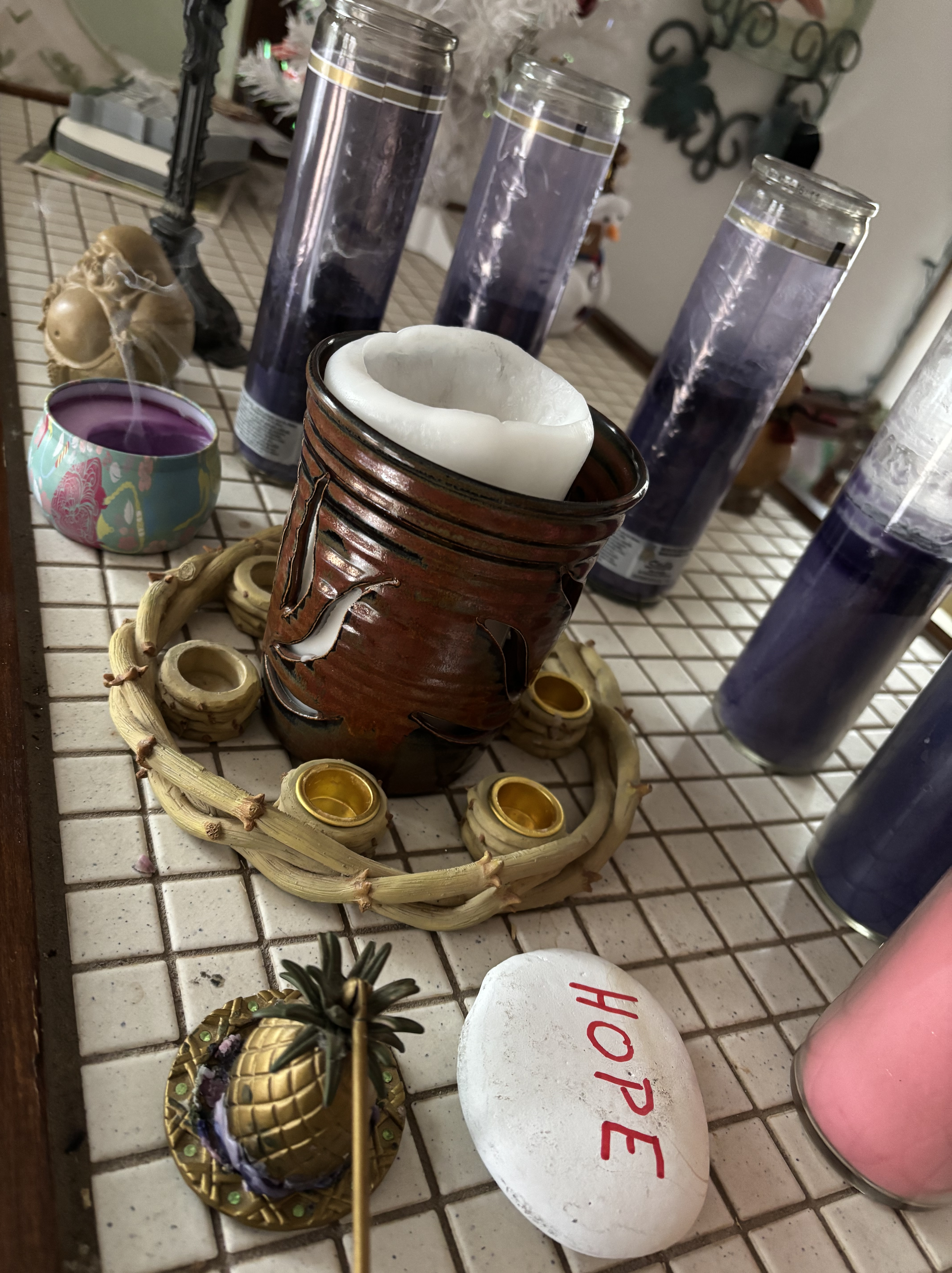
I mentioned a few posts ago that fasting was one of the pillars of Christian Lenten practices. Last Sunday, Hubby and I attended our monthly prayer gathering for peace, and we both thought this was the best one yet. One might assume it was because it’s the same gathering of people and we’re finally getting to know each other. But that wasn’t the case. Out of the eighteen present, seven or eight were attending for first time; two new members of the Bahai tradition and one more Muslim among them. The topic turned to fasting as all of us are in the season: Ramadan for Muslims began just as Lent began for Christians February 17th and 18th, and the Bahai fast began on March 1.
While I was aware Ramadan was a time of fasting from sun-up to sundown, I wasn’t fully aware of how strict the fast is. For nineteen days Muslims can’t take in anything, even water, between sun-up and sundown. The same is true for Bahais–a fast I never even knew about–including no smoking, for nineteen days.
The conversation became lively as we Catholics self-deprecated about our very soft Lenten dietary restrictions–no meat on Fridays, and a ‘real’ fast on Ash Wednesday and Good Friday when we’re limited to one full meal and two smaller meals that together wouldn’t constitute a full meal. There was good natured kidding and laughter back and forth across the room as we Christians, Jews, and Buddhists asked the Bahais and Muslims questions about specific circumstances. Like other fasting practices, these long fasts are not just about food, but also fasting from unkind language, social media, etc.
Fasting is designed as a spiritual practice to draw us closer to God–in whatever name the Creator takes for each tradition–and to put one in companionship with the poor.
But that companionship can go only so far. For most of us, we know once the sun goes down, or midnight on Friday turns into Saturday morning, the fast is over and we can eat and drink. Those who are truly lacking don’t have that hope.

So, on Saturday I fasted from sun-up to sundown at 7:30. The most challenging thing was not drinking my water. I have my ‘thermos’ with me all the time and sip it throughout the day as a matter of habit. In October I’d fainted from not eating in the morning, so I stayed vigilant of how I was feeling. Within an hour of waking, my stomach began growling. That was easy to ignore, but already my tongue felt thicker and that was uncomfortable. I was lightheaded off and on and sensed my skin drying out.
I thought of the physical appearance of the homeless, how poor nutrition contributes to their thinning hair, dry skin, poor teeth.
It was a gorgeous day Saturday, but I hesitated doing strenuous yardwork for fear of passing out. It’s no wonder so many homeless sleep so much. I thought of the Bahais and Muslims observing these days of fast, yet going to work and going about their normal day.
At 7:30 I felt guilty walking to the kitchen to reheat the previous night’s supper. Even with ‘permission’ to eat I continued thinking of those who couldn’t. And I came out of my fast with a deeper understanding of the Bahai and Islamic traditions.
At the peace gathering during our prayerful intentions, one of the Muslims bowed his head praying, ‘for our aching world, for all the people hurting’, the Jewish man sitting two chairs from me simply prayed, ‘so many people …’ The Jews and Muslims are connected to each other in ways the rest of us aren’t because of the wars in Iran and Gaza–the whole Middle East on fire.
I sat there both participating and observing, wishing this sense of community around the circle was the norm outside the walls. It probably is more than we know, definitely more than the media often shows. A point I need to remember.
In the end, we all, again, acknowledged the commonalities of our diverse religious traditions. I’m including a closing prayer we used, without telling which tradition it comes from. Any ideas?
O God, You are Peace, and from You comes peace. Grant us to live in peace and admit us into the abode of peace. O Lord, expand our hearts and remove from them hatred and rancor toward those who believe and those who seek You. Our Lord, forgive us and our brothers and sisters who proceeded us in faith, and place not in our hearts any resentment toward those who believe. O God, make us among those who respond to evil with what is better, as You commanded: Repel evil with what is better; then the one between whom and you was enmity will become as though a devoted friend. O Most Merciful, make us instruments of mercy. As Your Messenger taught: The merciful are shown mercy by the Most Merciful. Be merciful to those on earth, and the One above the heavens will be merciful to you. O Lord, guide us to know one another, not to fear one another. Guide us to justice without harshness, conviction without arrogance, and dialogue without compromise of integrity. Make our differences a means of enrichment, not division. Make our words bridges, not barriers. Make our gathering a seed of lasting peace ~ Amen
After today’s storms pass, I hope you have a wonderful week. May we all find or create moments of peace.
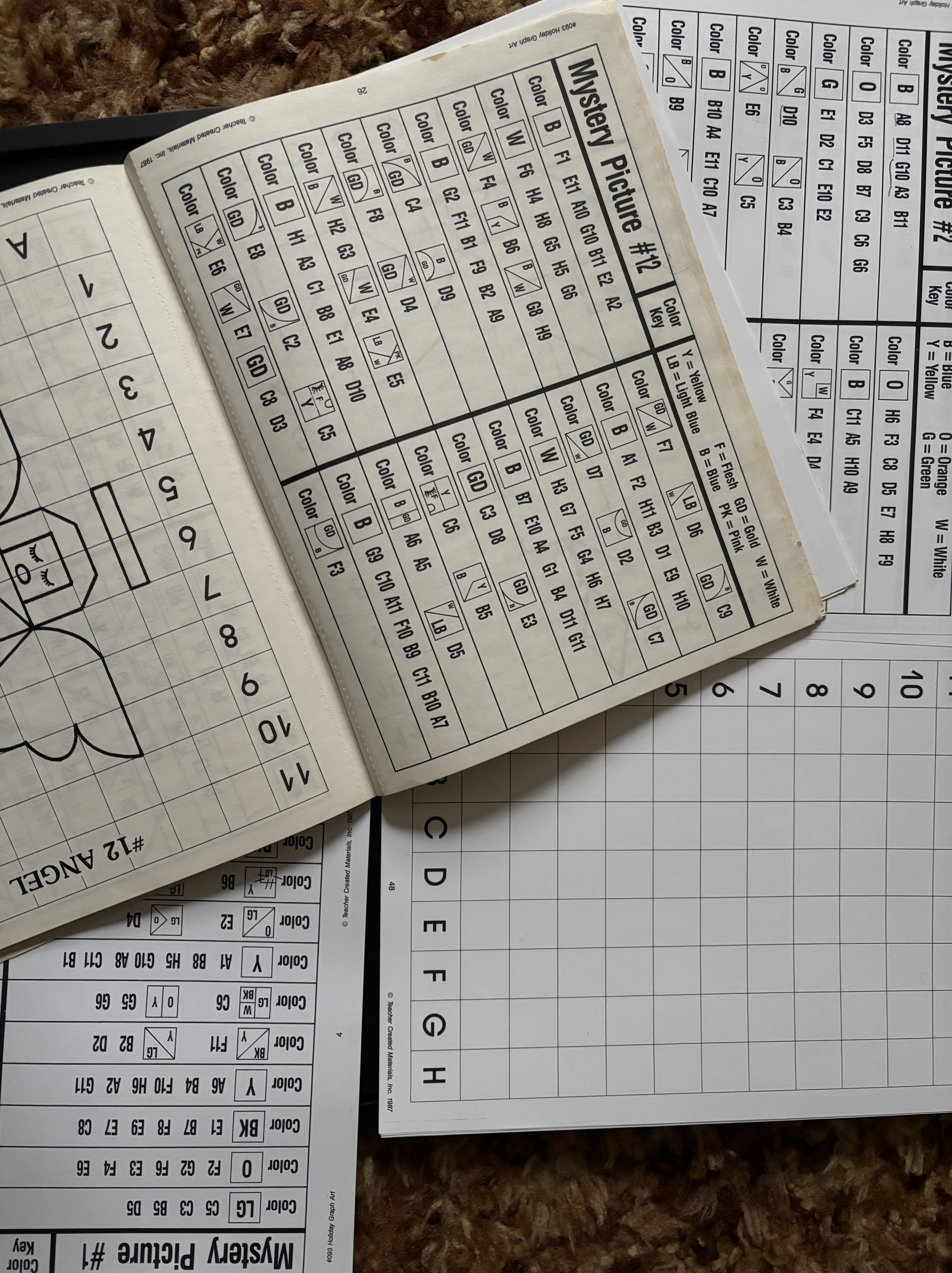
Ever play with these when you were a kid? They have something to do with next week’s post. See you Monday!
 A Writer's Window
Dear Kim, this is a beautiful meditation. I recently learned the etymology of the word “fasting.” It arises from both a Proto-Germanic word meaning “to hold, to make firm” and medieval a Latin word meaning “to observe.” In your grace-filled essay I feel both the making firm of faith through solidarity and the making firm of charity through observation. And the idea of fasting from unkind words is a wonderful reframing of actual grace. A renunciation of sin. Pretty nifty HOPE stone, too!